
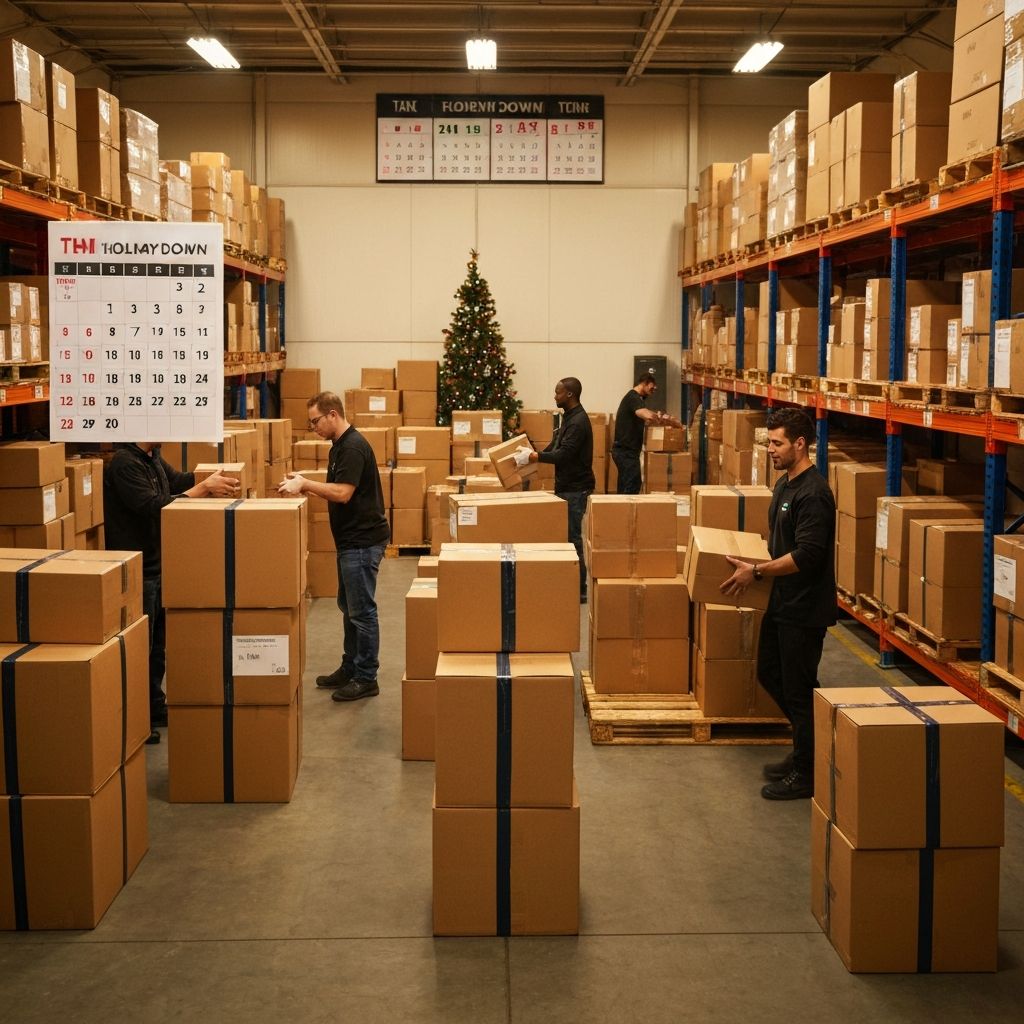
Peak shipping season — typically October through January — is when logistics operations are tested the most. Carrier capacity tightens, rates increase, and delivery windows narrow. Preparation is the key to surviving peak season without sacrificing service quality.
Start Planning Early
The best time to prepare for peak season is 2-3 months before it hits. Analyze your shipping data from previous years, identify trends, and forecast volumes. Early planning gives you leverage in carrier negotiations and ensures capacity availability.
Diversify Your Carrier Network
Relying on a single carrier during peak season is risky. If they experience delays or capacity constraints, your entire operation suffers. Work with a multi-carrier platform to automatically route shipments to the best available option.
Stock Up on Supplies
Packaging materials, labels, and shipping supplies can become scarce during peak season. Order in advance to avoid disruptions. Consider pre-printing labels for anticipated orders to speed up fulfillment.
Communicate with Customers
Set realistic delivery expectations early. Update your website with shipping deadlines for guaranteed holiday delivery. Proactive communication reduces support inquiries and builds customer trust.
Leverage Technology
Automation is your best friend during peak season. Use shipping platforms to auto-select carriers, generate labels in batch, and send tracking notifications automatically. Every manual step you eliminate is time saved during your busiest period.
Monitor and Adjust
Peak season is dynamic. Monitor carrier performance daily and be ready to shift volume to better-performing carriers. Real-time dashboard tools in platforms like NoviShip make this visibility possible.
Plan for Returns
Post-holiday returns are a significant volume driver. Have your returns process set up before peak season begins so you're not scrambling in January.